
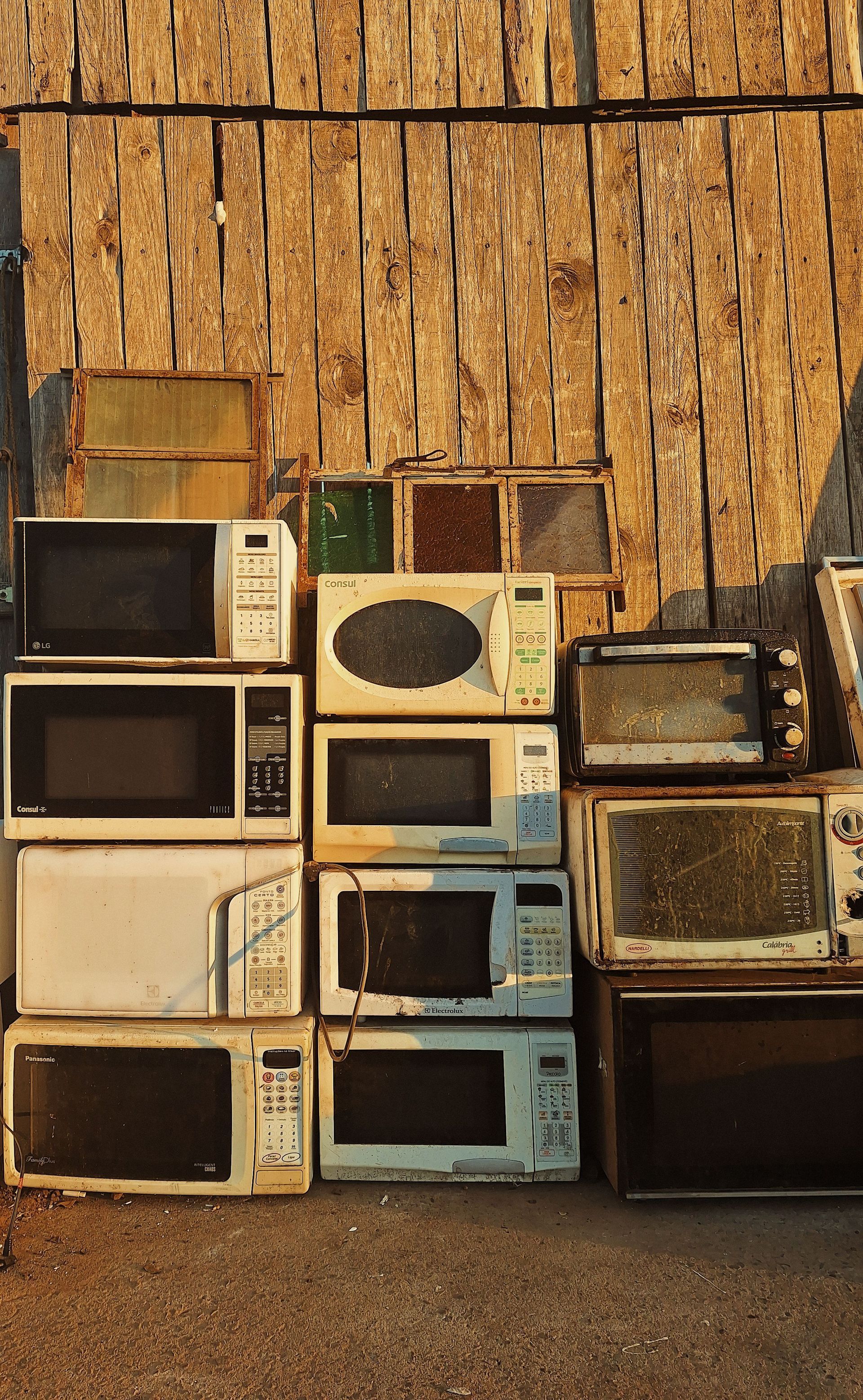
Heavy Appliances Out Without the Damage Risk
Appliance Removal in Atlanta for properties with outdated or non-functioning refrigerators, washers, dryers, and kitchen appliances that cannot be safely moved without equipment
Appliances become genuinely difficult to move the moment they need to travel through a doorway, down a step, or across a flooring surface that can be scratched or gouged. Grasskings LLC provides appliance removal in Atlanta for large and heavy household units—refrigerators, washing machines, dryers, stoves, ovens, and dishwashers—across residential properties where the combination of unit weight and tight access makes self-removal impractical or risky. The removal process is handled with attention to the route the appliance takes out of the property, not just the endpoint.
A key part of the process is responsible disposal routing. Appliances contain materials—refrigerants, compressor oils, and metals—that require handling at appropriate recycling or disposal facilities rather than standard landfill disposal. Grasskings LLC directs appliances toward those facilities when possible, which matters both for regulatory compliance and for keeping recoverable materials out of general waste streams. Atlanta's residential property mix includes a large share of older homes where appliances may be installed in tight kitchen configurations or basement utility spaces, conditions that require more deliberate planning before the hauling sequence begins.
Schedule an appliance removal appointment to identify the units that need to go and assess the access conditions for each removal point in the property.
The Difference Between Careful and Careless Appliance Hauling
Moving a refrigerator out of a kitchen without scratching the floor, scraping the doorframe, or tipping the unit through a threshold requires the right equipment and a planned removal route. Appliance dollies, protective floor coverings, and proper tipping technique are the standard tools for this work—not improvised moving methods. The route assessment happens before the appliance is moved, not after it is already in motion through a narrow hallway.
After removal is complete, the observable change depends on where the appliance was located: a kitchen without a non-functioning stove or dishwasher is easier to use and stage for replacement installation; a laundry room cleared of an old washer and dryer creates usable floor space immediately. The connection point—water line, dryer vent, or electrical outlet—is accessible and ready for a replacement unit or alternative use once the old appliance is out.
Appliance removal covers the hauling and disposal logistics but does not include disconnection of gas lines, which requires a licensed plumber or gas technician before removal can safely proceed. For electric appliances, unplugging the unit and ensuring the water supply line is shut off and drained before the appointment allows the removal to move forward without a delay on the day of the job. Multiple appliances in a single appointment are handled sequentially, starting with the piece that presents the most access complexity.
Questions Before Starting Your Project
The following questions cover what appliance removal actually involves, how the work is sequenced for different appliance types, and what preparation makes the job straightforward rather than complicated.
How should a refrigerator be prepared before removal?
The unit should be emptied, defrosted if applicable, and the water line disconnected and drained ahead of the appointment so removal can proceed without water spills or delays caused by residual ice or moisture.
What makes appliance disposal different from standard junk disposal?
Many large appliances contain refrigerants, compressor fluids, or other materials that cannot go to a standard landfill and must be handled at designated recycling or disposal facilities, which is why responsible disposal routing is a specific step in the removal process.
Why does Atlanta's older residential housing stock create access complications for appliance removal?
Homes built in the mid-twentieth century, common throughout many Atlanta-area neighborhoods, frequently have kitchen doorframes and utility room configurations that predate standard appliance dimensions, which means the removal route needs to be assessed for clearance before a large unit is moved.
When does a gas appliance need to be disconnected before removal?
Gas stoves, ovens, and dryers must have their gas supply line shut off and disconnected by a licensed technician before removal begins; Grasskings LLC handles the hauling once the disconnection is confirmed.
How is the removal sequence determined when multiple appliances need to go in one appointment?
Appliances with the most restricted access—those in tight corners, up stairs, or in confined utility spaces—are typically addressed first so that cleared space from early removals improves access for subsequent pieces.
Grasskings LLC removes appliances from Atlanta properties with the equipment and planning the work requires. Provide information about the appliances that need to go and the access conditions at the property, and Grasskings LLC will confirm how the removal will be structured.