
Property Cleanup That Clears Everything Once
Seasonal Cleanup and Debris Removal in Atlanta for properties facing leaf drop, wet-season debris, and drainage blockages
Grasskings LLC handles seasonal cleanup and debris removal across Atlanta, clearing leaves, branches, and yard waste that accumulate during Georgia's two distinct leaf-drop periods in fall and spring. Properties experience heavy debris loads during these seasons, and when material sits in beds, gutters, and drainage paths, it blocks water flow and creates conditions for mold and pest activity. The company operates its own dump trailer, which means debris leaves the property the same day the work is completed rather than sitting in piles waiting for separate pickup.
The service involves removing leaf piles, clearing beds down to soil level, hauling fallen branches, and transporting all material to licensed disposal facilities. Spring wet-season cleanup addresses the secondary leaf drop that many Atlanta property owners overlook, which combines with pollen and seed debris to clog drainage systems before summer storms arrive.
Schedule a property assessment to identify debris accumulation and drainage concerns before the next seasonal cycle begins.
What Gets Cleared During Seasonal Work
The cleanup process starts with a full property walk to assess debris volume, identify blocked drainage paths, and note any material that requires separate handling. Crews remove leaf layers from beds, rake out material trapped along fence lines and foundation edges, and clear gutters and downspout areas where organic matter builds up. Branch debris is cut to manageable lengths, loaded directly into the dump trailer, and hauled the same day.
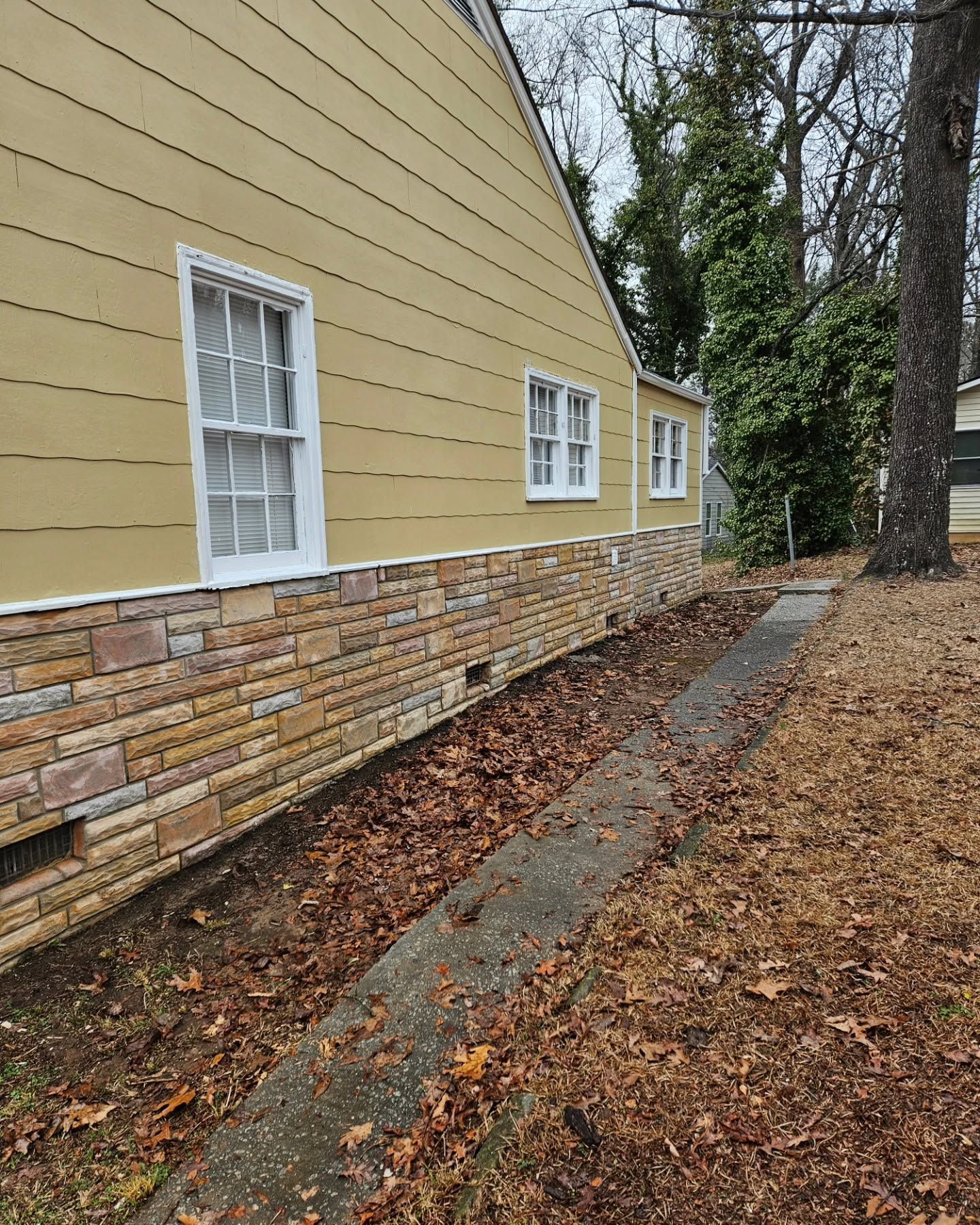
After the work finishes, beds sit clean down to mulch or soil level, drainage paths run clear, and no debris piles remain on the property waiting for secondary pickup. Grasskings LLC coordinates material sourcing and transport using owner-operated equipment, which eliminates delays and keeps the timeline predictable. Properties that schedule fall and spring cleanups avoid the compounded buildup that occurs when wet leaves decompose into a dense mat that suffocates plantings and holds moisture against foundation walls.
The service includes removal and hauling but does not include replanting, mulch installation, or structural repairs to drainage systems. If bed soil has eroded or compacted under debris weight, that condition will become visible once material is cleared, and separate soil amendment or grading work may be needed to restore proper drainage slope.
Questions Property Owners Ask Before Scheduling
Atlanta's dual leaf-drop seasons and wet spring conditions generate specific questions about timing, scope, and what happens to the material once it's removed.
Why does Atlanta require two seasonal cleanups instead of one?
Georgia experiences a fall leaf drop and a secondary spring drop when wet weather causes additional leaf and seed release, which means debris accumulates twice annually and requires scheduled removal to prevent drainage blockages before summer storms.
What happens to debris after it's loaded into the trailer?
Material is transported the same day to a licensed disposal facility where organic waste is processed separately from construction debris, and nothing is left on your property waiting for later pickup.
How does seasonal cleanup prevent drainage problems?
Leaf and branch debris blocks gutters, downspouts, and grade drainage paths, which causes water to pool against foundations and overflow into beds during heavy rain, so clearing material before storm season restores proper water flow.
What should I do if debris has been sitting for multiple seasons?
Compacted leaf layers that have decomposed into a dense mat require more aggressive removal and may reveal soil erosion or grading issues underneath, which means the cleanup will take longer and may expose conditions that need separate correction.
When is the best time to schedule cleanup in Atlanta?
Fall cleanup should happen after the primary leaf drop in November, and spring cleanup works best in late March or early April before pollen and seed debris combine with wet conditions to create dense accumulation in drainage areas.
Grasskings LLC provides integrated hauling that removes debris the same day rather than leaving material for separate collection. Request a property walk to determine debris volume and schedule removal before the next wet season begins.