
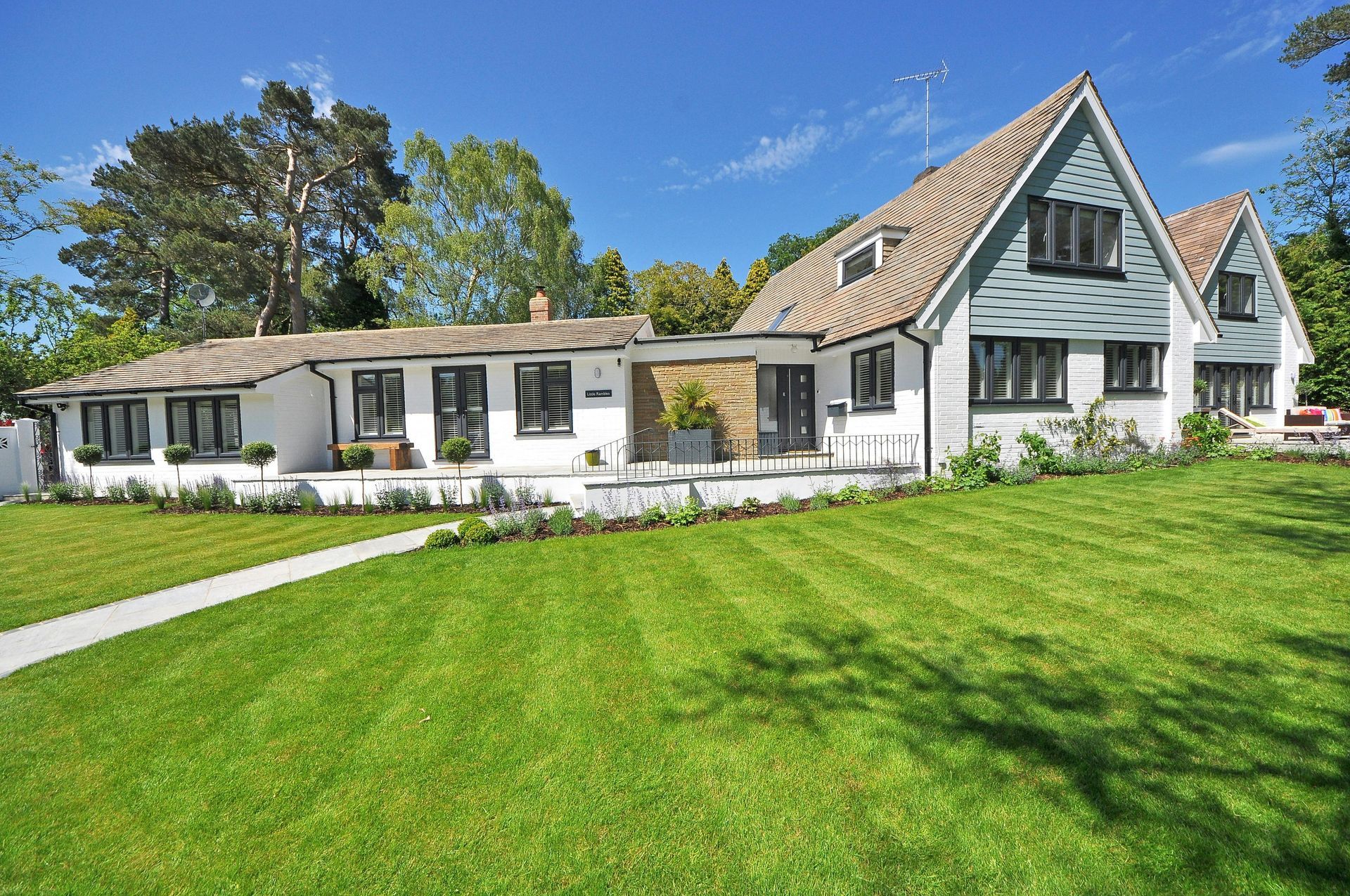
Lawns That Stay Groomed Through Southern Heat
Lawn mowing and maintenance in Atlanta for warm-season grass that grows aggressively from April through October
Bermuda and St. Augustine grass dominate Atlanta lawns because they thrive in heat and humidity, but that same climate drives rapid spring-through-fall growth that demands consistent cutting schedules. Grasskings LLC provides lawn mowing and maintenance across Atlanta, Marietta, Roswell, and surrounding metro areas, adjusting cut height and frequency as temperatures climb and growth accelerates. Piedmont climate conditions mean your lawn doesn't grow at the same rate all season—early June growth spurts require different timing than late August stress periods.
Regular mowing prevents thatch buildup and maintains the density warm-season grasses need to choke out weeds, but cutting too low during peak summer heat stresses root systems and opens gaps for crabgrass. The service includes height adjustment based on current growth patterns, weekly or bi-weekly scheduling aligned with your property's sun exposure and irrigation, and removal of clippings when accumulation would smother new growth.
Schedule a property assessment to establish a mowing frequency that matches your lawn's growth cycle.
What Proper Mowing Requires in Warm-Season Turf
Equipment-based cutting adjusts blade height to leave Bermuda at one to one-and-a-half inches and St. Augustine at two-and-a-half to three inches, which maintains the leaf surface area each variety needs for photosynthesis without scalping crowns. Mowing schedules shift from seven-day intervals during May and June growth surges to ten or fourteen days in late summer when heat stress slows cell division, and the timing prevents removing more than one-third of the blade length in a single pass.
After the service completes each cycle, you'll notice clean cut edges rather than torn or brown-tipped blades, uniform height across the entire lawn, and defined borders where turf meets beds or hardscape. Grasskings LLC integrates mowing into full property maintenance schedules rather than operating as an isolated cutting vendor, so the same crew manages edging, blowing, and debris removal in one visit.
Weekend and weekday scheduling options accommodate properties where noise restrictions or HOA rules limit equipment operation during business hours, and recurring service agreements lock in consistent visit days rather than requiring weekly callback requests.
Questions About Lawn Mowing Schedules
Atlanta property owners typically ask how mowing frequency changes as the season progresses and what affects the cost of ongoing maintenance.
How often does Bermuda grass need mowing during peak growing season?
In May and June, Bermuda often requires cutting every five to seven days because warm soil temperatures and longer daylight hours accelerate growth, while late July and August heat stress can extend the interval to ten days.
What happens if mowing gets delayed during a growth surge?
Cutting more than one-third of the blade height in a single pass shocks the plant, reduces carbohydrate reserves in the roots, and creates openings for weed germination in the thatch layer.
Why does St. Augustine require a higher mowing height than Bermuda?
St. Augustine has a wider blade and shallower root system, so cutting below two-and-a-half inches exposes stems to direct sun, which causes dieback and thins the turf canopy.
How does Atlanta humidity affect mowing schedules?
High humidity combined with temperatures above 85 degrees keeps grass blades moist longer in the morning, and mowing wet turf tears rather than cuts cleanly, leaving ragged edges that brown within 24 hours and invite fungal infection.
What's included in a recurring maintenance visit beyond mowing?
Each visit includes edging along driveways and walkways, blowing clippings off hardscape, and debris removal from the property, so no cleanup work remains after the crew leaves.
Grasskings LLC offers flexible scheduling that adjusts to your property's growth patterns rather than fixed intervals that ignore seasonal changes. Arrange a consultation to review your lawn's current condition and establish a maintenance rhythm that prevents stress and maintains density.