
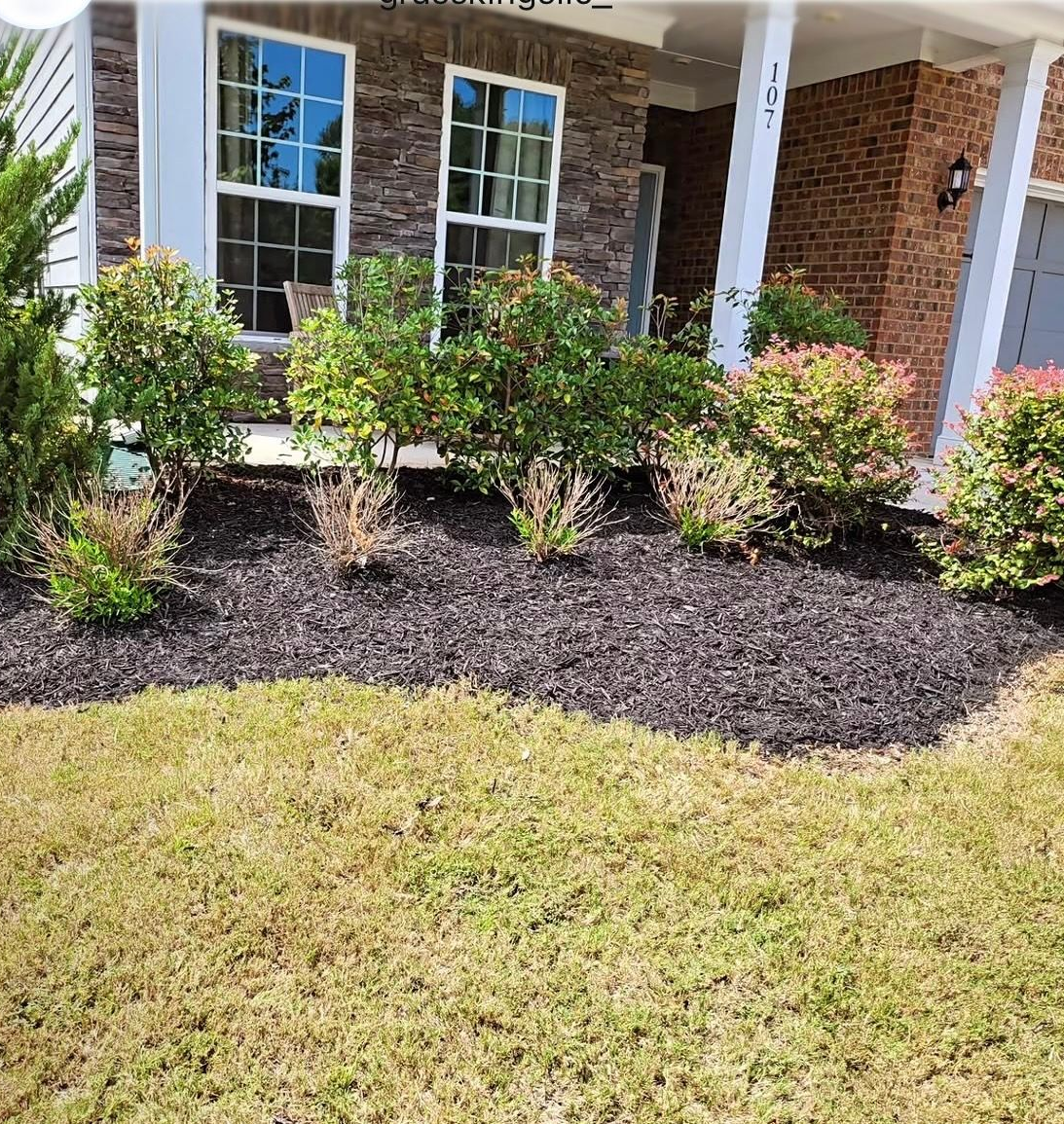
Plants Selected for Piedmont Clay Survival
Gardening & Planting in Atlanta for Species That Tolerate Heat, Humidity, and Compacted Soil
Generic box-store plant stock often fails within one season when installed in Atlanta's Georgia Piedmont clay, hot summers, and freeze-thaw cycles, because those plants are selected for broad regional distribution rather than local soil chemistry and water availability. Grasskings LLC sources and installs plants suited to clay tolerance, humidity resilience, and seasonal water fluctuations across Atlanta metro neighborhoods, suburban Cobb County, and Riverdale properties where soil conditions punish species adapted to sandy or loamy ground. The difference shows up in establishment success rates and whether you're replanting the same bed every spring or watching perennials return stronger each year.
Installation involves bed preparation with proper depth, spacing based on mature plant size rather than immediate visual density, and mulch layers that reduce water loss during the establishment phase when roots are still adapting to transplant stress. Crews source material from local and regional suppliers who stock species proven in Georgia conditions, not ornamental varieties chosen purely for nursery shelf appeal.
Schedule a planting consultation to review bed locations, sun exposure, existing soil drainage, and whether native species or adapted cultivars better fit your landscape goals.
How Plant Selection Addresses Atlanta Soil Challenges
Clay soil restricts root penetration and holds water in ways that suffocate plants adapted to fast-draining conditions, so species selection starts with identifying plants that tolerate compacted, moisture-retentive soil rather than forcing incompatible varieties into beds that will drown roots during wet months. Crews prepare planting holes wider than the root ball to give roots space to expand laterally before hitting undisturbed clay, and they amend backfill soil with material that improves structure without creating a texture contrast that causes water to pool at the interface between amended and native soil.
After planting completes, you notice new leaf growth emerging within weeks rather than plants sitting dormant or declining, mulch layers that stay in place instead of washing away during storms, and reduced need for supplemental watering once roots establish beyond the initial installation period. Beds maintain visual density as plants mature to their natural size, and perennials return each spring with increased vigor instead of barely surviving the previous year's stress.
Grasskings integrates planting into larger landscape design rather than treating it as a standalone add-on, so bed preparation, hardscape edging, and plant installation happen in sequence without gaps that delay establishment or expose unfinished soil to erosion. Material sourcing focuses on regional availability and proven performance, not generic inventory that moves quickly through big-box garden centers regardless of local success rates.
Questions Before Starting Your Project
Planting decisions across Atlanta metro often hinge on species selection, timing, and what preparation actually improves survival in heavy clay soil.
What plants survive best in Georgia Piedmont clay?
Native species like beautyberry, inkberry holly, and river birch tolerate compacted soil and seasonal moisture swings, while adapted cultivars of azaleas, hydrangeas, and certain ornamental grasses perform well if beds include soil amendment and proper drainage—generic petunias or impatiens struggle unless planted in containers with controlled soil.
How does planting depth affect establishment in Atlanta?
Plants set too deep in clay soil suffocate as water accumulates around the crown, while shallow planting exposes roots during dry periods—proper depth places the root flare at or slightly above surrounding grade to prevent water from pooling against the stem during summer thunderstorms.
When should planting happen to maximize survival rates?
Fall installation in September through November allows roots to establish during cooler, wetter months before facing summer heat stress, giving plants a full season to adapt before July temperatures and sporadic rainfall test their resilience.
What's the difference between native plants and box-store stock?
Native species co-evolved with local soil, pests, and climate, so they establish faster and require less intervention, while box-store inventory is often grown in lightweight potting mix and selected for shipping durability rather than performance in specific regional conditions like Atlanta clay.
Why does mulch matter for newly installed plants in Georgia?
Mulch reduces soil temperature fluctuations, retains moisture during dry weeks, and suppresses weed competition that steals water and nutrients from establishing root systems—without mulch, clay soil bakes hard in summer sun and cracks, further stressing transplants trying to anchor in compacted ground.
Grasskings LLC handles species selection, bed preparation, and installation with attention to local soil conditions and seasonal timing that affects establishment success. Arrange a site visit to confirm sun exposure, drainage patterns, and whether existing beds need soil correction before new plants go in the ground.